The internet has become an essential part of everyday life, influencing how people work, communicate, learn, shop, and entertain themselves. Modern internet users rely on digital platforms for countless activities, from managing finances to connecting with communities across the world. With this growing dependence on online services, understanding essential digital tools, security practices, and responsible internet habits has become more important than ever. Whether someone is a beginner or an experienced user, having the right online knowledge helps create a safer and more productive digital experience. Many users explore different online platforms and resources, including entertainment options such as qqmacan slot while also focusing on reliable tools that improve their daily internet activities.
The Importance of Digital Literacy in the Modern Era
Digital literacy is one of the most important skills for anyone using the internet today. It involves understanding how online platforms work, identifying reliable information, protecting personal data, and using digital tools effectively. As technology continues to develop, users need more than basic browsing skills. They must learn how to evaluate online content, recognize potential threats, and make informed decisions while interacting with digital services.
A digitally literate person can confidently use search engines, communication platforms, cloud services, and online applications. These skills are valuable in both personal and professional environments. Students use digital resources for research and education, while businesses depend on online systems for communication, marketing, and operations.
Digital literacy also encourages responsible online behavior. Users should understand the impact of their digital actions, including the information they share, the websites they visit, and the interactions they have with others. Responsible internet use helps create a healthier and more secure online environment.
Reliable Internet Connection and Essential Devices
A strong internet connection is the foundation of a successful online experience. Modern users need reliable connectivity to access websites, stream content, attend virtual meetings, use online applications, and communicate instantly. Slow or unstable connections can reduce productivity and create frustration.
Choosing the right device is equally important. Smartphones, tablets, laptops, and desktop computers each serve different purposes. Smartphones provide convenient access to online services from almost anywhere, while computers often offer better performance for professional tasks, creative projects, and advanced applications.
Keeping devices updated is another essential practice. Operating system updates, software improvements, and security patches help devices perform efficiently while reducing vulnerabilities. Users should also maintain enough storage space and regularly remove unnecessary files to keep their devices functioning smoothly.
Online Security: Protecting Personal Information
Cybersecurity is one of the biggest concerns for internet users. As more personal information is stored and shared online, protecting digital identities has become a necessity. Simple security practices can significantly reduce the risk of cyber threats.
Creating strong passwords is one of the most effective security measures. Passwords should be unique, difficult to guess, and different for each account. Using a combination of letters, numbers, and special characters improves protection. Password managers can also help users safely store and manage multiple passwords.
Two-factor authentication provides an additional layer of security. This feature requires users to verify their identity through another method, such as a security code sent to a phone or an authentication application. Even if a password is compromised, two-factor authentication can prevent unauthorized access.
Users should also be careful when opening emails, messages, or links from unknown sources. Phishing scams often attempt to trick people into revealing sensitive information. Checking website addresses, avoiding suspicious downloads, and verifying requests for personal details are important habits for staying safe online.
The Role of Search Engines and Online Information
Search engines are among the most frequently used internet tools. They help users find information quickly, discover new resources, and solve everyday problems. However, having access to large amounts of information also creates challenges.
Not all online information is accurate or trustworthy. Modern internet users need to develop critical thinking skills to identify reliable sources. Checking the credibility of websites, comparing information from multiple sources, and looking for updated content are effective ways to avoid misinformation.
Search skills can also improve online efficiency. Learning how to use specific keywords, filters, and advanced search options allows users to find relevant information faster. These techniques are especially useful for students, researchers, professionals, and anyone who depends on online knowledge.
Communication Tools and Digital Collaboration
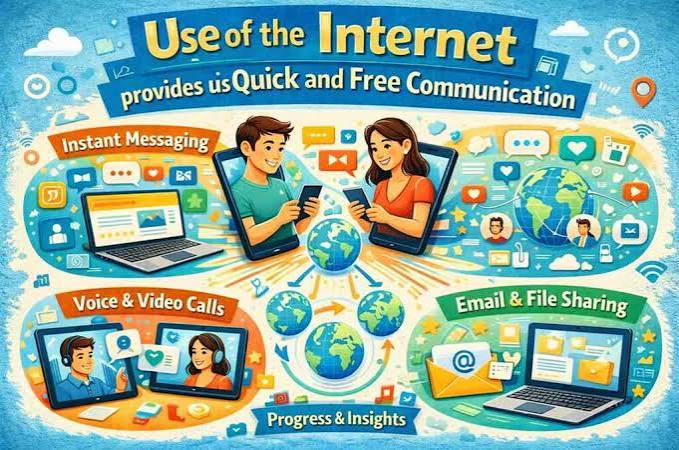
The internet has transformed communication by making instant interaction possible across different locations. Email, messaging applications, video conferencing platforms, and social networks allow people to connect personally and professionally.
For businesses and remote workers, digital collaboration tools have become essential. Online platforms enable teams to share documents, organize projects, and communicate in real time. These tools increase flexibility and allow people to work efficiently from different places.
However, effective online communication requires proper digital etiquette. Users should communicate respectfully, avoid sharing unnecessary information, and consider the privacy of others. Good online manners contribute to positive digital relationships.
Online Shopping and Digital Payments
E-commerce has changed the way people purchase products and services. Consumers can now compare prices, read reviews, and complete transactions without visiting physical stores. This convenience has made online shopping a major part of modern life.
Safe online shopping requires awareness and caution. Users should purchase from trusted websites, review product information carefully, and avoid deals that appear unrealistic. Checking customer feedback and understanding return policies can also help prevent disappointing experiences.
Digital payment systems have made online transactions faster and easier. Mobile wallets, banking applications, and secure payment gateways provide convenient ways to manage finances. However, users should protect financial information and avoid making payments through unsecured networks.
Cloud Services and Data Management
Cloud technology has become an important part of modern internet usage. Cloud storage allows users to save files, photos, and documents online and access them from multiple devices. This technology provides convenience and reduces dependence on physical storage devices.
Businesses and individuals use cloud services for backup, collaboration, and organization. Important documents can be protected from device failures when properly stored online. However, users should select reliable cloud providers and understand privacy settings to maintain control over their information.
Organizing digital files is another valuable skill. Creating folders, naming documents clearly, and regularly reviewing stored information can improve productivity and save time.
Social Media Awareness and Responsible Usage
Social media platforms connect billions of people worldwide. They provide opportunities for communication, entertainment, networking, and sharing ideas. However, responsible usage is necessary to avoid potential problems.
Users should carefully consider what they share online because digital content can remain accessible for a long time. Protecting privacy settings, limiting personal information, and avoiding harmful interactions can improve the social media experience.
Balanced usage is also important. Spending excessive time on social platforms can affect productivity and personal well-being. Setting healthy boundaries allows users to enjoy the benefits of social media while maintaining balance in their daily lives.
Staying Updated with Emerging Technologies
Technology changes rapidly, and modern internet users must continue learning. New applications, security methods, artificial intelligence tools, and digital services regularly appear, creating new opportunities and challenges.
Keeping up with technological developments helps users make better decisions. Learning about new features, understanding privacy options, and exploring useful digital tools can improve online experiences.
Continuous learning does not require advanced technical knowledge. Even small improvements in digital skills can make everyday internet activities easier, safer, and more efficient.
Conclusion: Building a Smarter Online Future
The internet offers endless opportunities for communication, education, business, and entertainment. However, making the most of these opportunities requires awareness, responsibility, and digital knowledge. Modern internet users need to understand essential tools, protect their information, and develop safe online habits.
From maintaining secure devices to evaluating online information and using digital services responsibly, every action contributes to a better internet experience. As technology continues to evolve, users who develop strong digital skills will be better prepared to navigate the online world with confidence and security.
Leave a Reply